
-
Pollution liability is not a political question
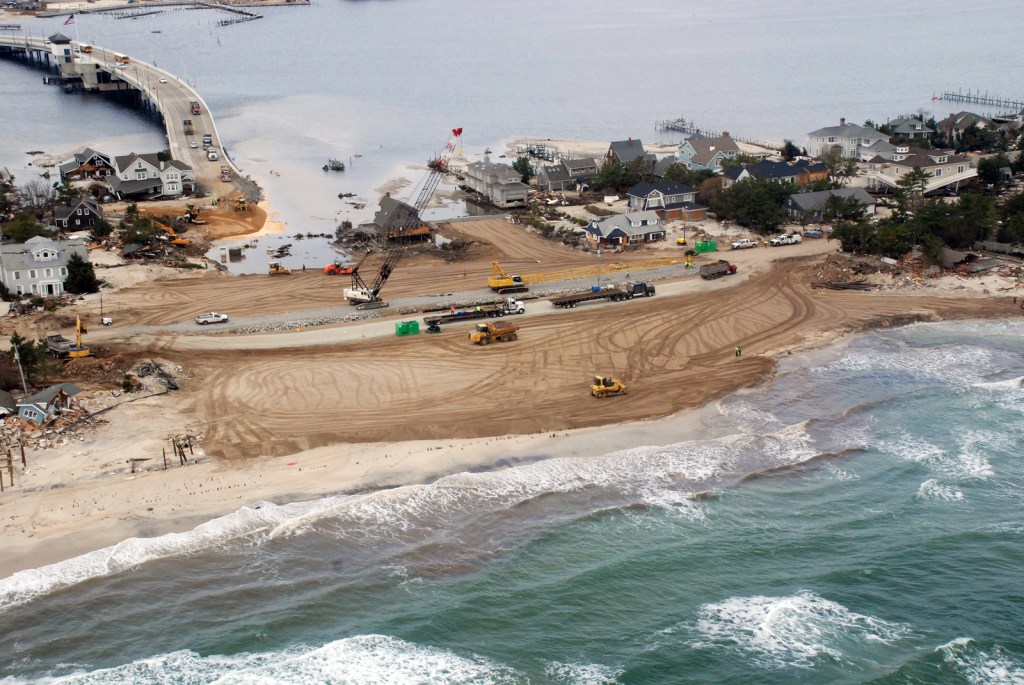
Disruption of Earth’s climate system is a physical phenomenon, not a theoretical one. Disruption of the climate system is happening, now, in real time, in all regions. It is caused by specific chemical compounds that trap heat, the so-called “greenhouse effect”. Already costs are spiraling to unthinkable levels: More evidence… Keep reading ⇢

-
Infrastructure attuned to climate risk is urgently needed everywhere
Infrastructure is the physical conditioning of our environment and experience. It can include roads and bridges, sewage systems and parks, ecological buffer zones, such as wetlands or mangroves, that help to protect human society against shock events. It is also the informational systems that keep us aware, informed, and able… Keep reading ⇢

-
Success means being prepared—lessons from Hurricane Katrina
Low-probability, high-impact events are becoming more common, and are costing more, in the age of pervasive climate disruption. 20 years after Hurricane Katrina, we have not fully adjusted to this new reality. This week marks 20 years since Hurricane Katrina struck the Gulf Coast of the United States, devastating New… Keep reading ⇢

-
Pollution subsidies are irrational & wasteful
Critics of subsidies and mandates for clean energy, energy efficiency, and electric vehicles, say these technologies should be able to compete on a level playing field. Fossil fuels still enjoy world-leading subsidy support, after more than 2 centuries. Coal has been used to power industrial machinery since before the American… Keep reading ⇢
-
Distributed, ecological, multidimensional finance is the future
The future of finance is distributed, ecological, and multidimensional. Let’s give each of those words their due: Investability and risk are major determinants of capital availability. To put it simply: If you have $100, and you want to grow that asset without putting it at risk, you might invest in… Keep reading ⇢

-
To ‘Make America Healthy Again’, require chemicals be proven safe
The American food system is full of chemical additives, many of which are known to degrade metabolic health, even over a short period of time. A study released in 2018 found that only 12% of American adults are ‘metabolically healthy’. In 2020, when the U.S. saw world-leading rates of mortality… Keep reading ⇢

-
Dehumanizing information is inherently risky
What do we lose by letting AI systems fabricate information based on probability? In order to make “generative artificial intelligence” work, companies exploring the capabilities of neural networks and large language models input massive amounts of material found online into their systems. This was described as “training”, and the companies… Keep reading ⇢

-
Supply chains are opportunities for improvement across all metrics
For a long time, industrial supply chains were not discussed. How a business engineered its final product was a protected trade secret. Even the largest and most integrated supply chain-organizing entities did not use the phrase and did not have visibility. Their suppliers’ practices were also trade secrets. So long… Keep reading ⇢

-
Integrated data systems to inform investment in resilient food supplies
Active Value is joining the Integrated Data Systems Initiative, as part of our work toward multidimensional metrics for food systems finance and value chain management. The IDSI is a 5-year innovation sprint, initiated in May 2023 by the Good Food Finance Network, for the Agriculture Innovation Mission for Climate Summit.… Keep reading ⇢