
-
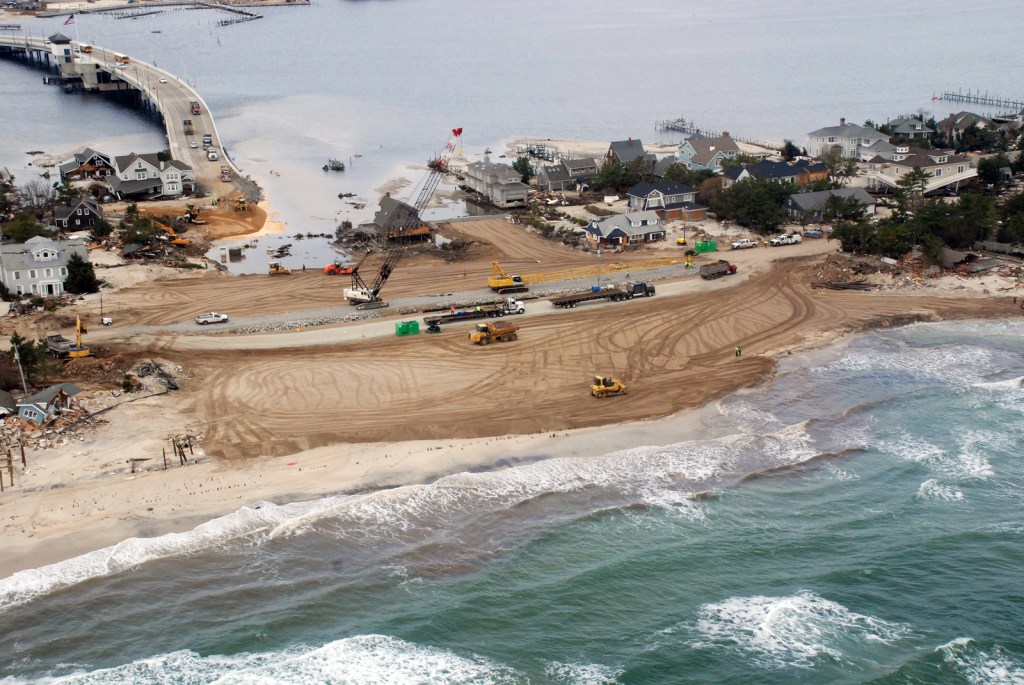
Disaster costs set record in first half of 2025
Climate change is not a future problem; it is happening now. In the first six months of this year, major disasters in the United States costing $1 billion or more set a record for overall costs. From 1980 through 1989, the US spent roughly $220 billion on disasters costing $1… Keep reading ⇢
-
What are we building?
Buckminster Fuller wrote that “The human brain is Nature’s most powerful anti-entropy engine.” Intelligence is not just information, or thought or the semblance of thought; it is the process of making enough sense of what is happening to be able to come through it safely, find good health and opportunity… Keep reading ⇢

-
The climate tipping point that will affect us all
Loss of the mountain cryosphere—glaciers and snowpack—is a climate tipping point we do not talk about enough. Climate change is complex, because the climate system is complex. It involves atmospheric fluid dynamics, transfer of heat and energy from region to region, and between the ocean and atmosphere. The disruption driven… Keep reading ⇢

-
AgriConnect: World Bank platform to transform farming
Agriculture is the beating heart of human civilization; it is what allowed us to stop living the precarious life of hunting and gathering and start building population centers. It is the foundation of all human activity and wellbeing, though we most often overlook and underestimate its value. The way goods… Keep reading ⇢

-
When a nation stops trying
What happens when a nation takes the wrong course on risk and resilience, and its subsidies, energy, and infrastructure are designed to follow obsolete standards, and its public institutions stop preparing for the real-world threats facing its people? The first thing is its fiscal resilience outlook suffers. Fiscal resilience is… Keep reading ⇢

-
Machines do not know what they are doing
We have become accustomed to treating computer systems as not only analagous to, but alike in kind to our human experience. We talk about computer “memory”. Information systems are afflicted by “viruses” that “spread like wildfire”, and viruses affecting our health “insert malicious code” into our genetic material. “Neural networks”… Keep reading ⇢

-
The ‘carbon budget’ is a physical limit
The carbon budget is the total amount of heat-trapping pollution (greenhouse gases or GHG) that can be emitted into the atmosphere before we breach 1.5°C. The carbon budget is often treated as an artificial measure, or a rhetorical strategy, for communicating the need to act with urgency. In reality, it… Keep reading ⇢

-
Deep ecology is the structure of reality
The contest of ideas on today’s internet is often so heated, it is creating real conflict in the world, spreading unfounded conspiracy theories, and leading to outright rejection of fact by alarming numbers of people. Political systems of all varieties are struggling with this demotion of truth and what it… Keep reading ⇢

-
Nations that advance science live better
25 years into the 21st century, it should be no surprise that nations that advance science—through freedom of information, direct investment in basic research, and support for institutions that operate free from political control—lead the way in shaping the future. The benefits are obvious and pervade society. Such nations have… Keep reading ⇢