
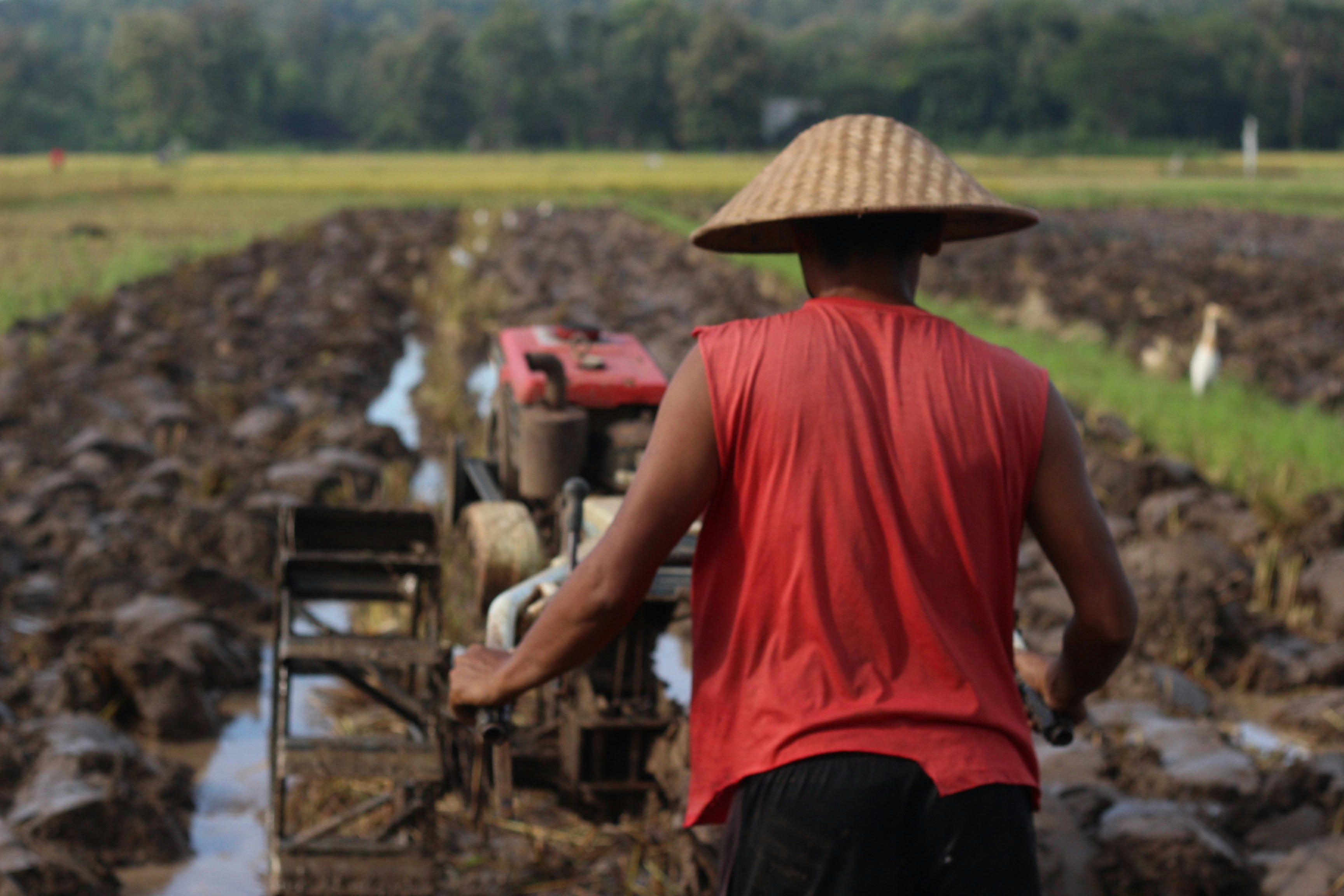
Agriculture is the beating heart of human civilization; it is what allowed us to stop living the precarious life of hunting and gathering and start building population centers. It is the foundation of all human activity and wellbeing, though we most often overlook and underestimate its value. The way goods and services are valued by financial markets creates the illusion that other activities that provide less foundational value are worth more, when they could not exist at all without a sustainable food supply.
Today, the World Bank Group announced a new partnership platform called AgriConnect. The core aim of AgriConnect is to bring together multilateral development banks, national and local authorities, smallholder farmer cooperatives, and innovators in the private sector, to reduce the cost of activating cutting edge innovations and transforming farming practices in vulnerable regions.
One year ago, the World Bank announced it would double its commitment to agriculture to $9 billion per year by 2030. The goal was, in part, to respond to and leverage four trends with potential to fundamentally reshape agricultural enterprise: climate change, innovations in finance, digitalization, and solutions to fragmentation. With demand for food set to increase by 60% in coming ecades, that expanded capacity and catalytic investment are imperatives for achieving safe, sustainable human development.
AgriConnect aims to support the 500 million smallholder farmers that produce 80% of the world’s food, to reduce food loss and waste and expand access to markets, through infrastructure, agribusiness partnerships, cooperative de-risking and co-investment strategies, and to deliver on-farm and digital innovation to improve small-scale farmers’ access to economies of scale. Small-scale farmers are among the most economically vulnerable communities in the world, in every region.
In 2025, the global economy is being shaken by an unprecedented combination of COVID recovery anomalies, geopolitical disruptions, shock tariff announcements, and rapid boom-bust waves in cryptocurrency and linked to AI stocks. Climate change is also impacting the global economy. In all regions, some part of the agricultural value chain is under serious stress, which means food prices are not coming down as might be expected from overproduction of fuel or from lowering interest rates.
The financial sector is not able to counter the food security impacts of worsening climate disruption, and national and subnational government budgets are increasingly needing to devote significant resources to managing shocks and responding to crises. This creates a fiscal stability stress unlike any seen before.
In its report on A New Food Economy: Rooted in Progress, the World Bank found:
The global food sector is coming under intense pressure. In many parts of the world, climate change is making harvests more unpredictable. Conflicts and a global pandemic have disrupted supply chains and increased global prices, contributing to rampant hunger and malnutrition. The food economy – encompassing the production, distribution, and consumption of food – is responsible for a third of all greenhouse emissions and 70% of the world’s deforestation.
This means several things for farmers:
- Production is under stress, and crop failures are becoming more of a generalized risk.
- Existing resources for addressing crop failure risk are likely to be insufficient, so innovation and added assistance will be needed.
- Low emissions, regenerative farming is becoming a global imperative, and will eventually be a major market advantage.
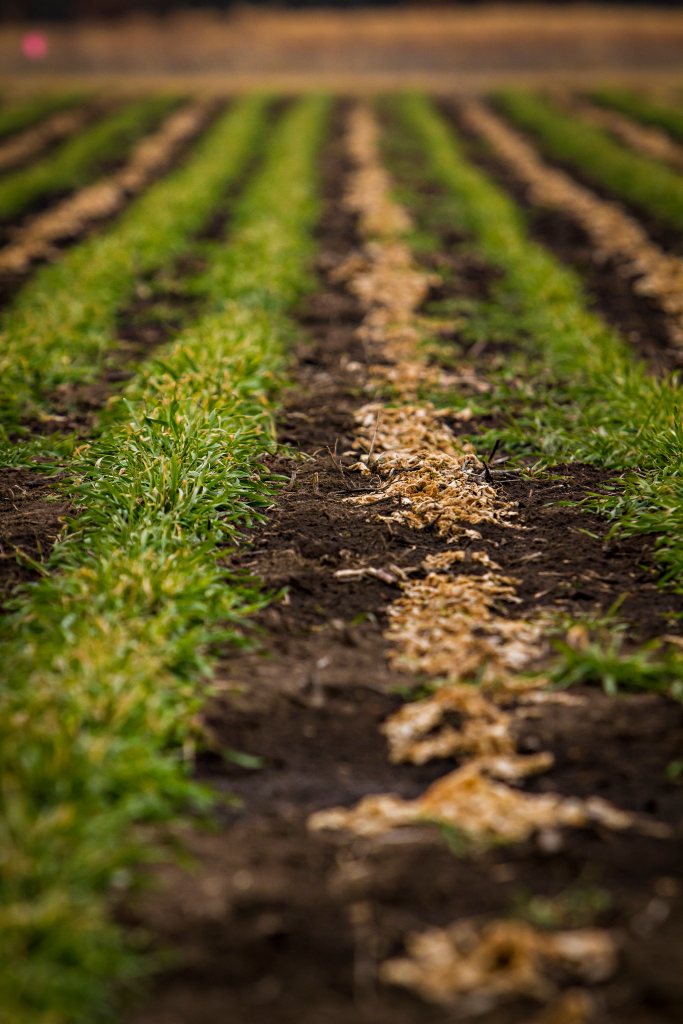
- Infrastructure will be needed to allow farmers to make the transition to more nature-friendly, regenerative farming practices.
- Infrastructure for improved agricultural resource efficiency is both a national and international priority.
- Communities cannot be left to be the primary innovators responsible for improving access to data, technology, markets, and capital.
For governments and the private sector, these trends also mean there are significant opportunities to expand overall value creation by making the right strategic investments in the right segments of the agricultural value chain, in a cooperative and coordinated way. What this looks like may vary from place to place, especially as it is increasingly important to secure the ecological health and resilience of agricultural lands by emphasizing locally-adapted crop varieites that can thrive under pressure. This also means transforming global markets to value less dominant, more unique agricultural products.


Catalytic capital is a key priority. During the launch event, we heard government leaders and multilateral development institutions talk about making $1 work like $10, by investing public resources to de-risk new food system activities, to allow smallholders to access more capital, and the private sector to deliver support more affordably.
- In Pakistan, a priority is climate adaptation and resilience, in the face of earlier and more intense monsoon rains and more frequent devastating floods. Tapping into export markets is an important part of this resilience strategy—to improve livelihoods and revenues and scale up the resources needed for improved infrastructure and innovation.
- Ukraine faces an estimated $55 billion need for rebuilding and redevelopment. The ravages of Russia’s invasion and ongoing bombardment of the country have seriously harmed agricultural lands and ecosystems, so restoration and regeneration are key priorities. Ukraine is also working to leverage co-investments to accelerate innovation and build resilience, while working to expand and secure ports and support an international food security hub.
- The Republic of Guinea is working to establish a major transition in its development strategy, which has been heavily focused on mining. A new effort to redirect mining revenues to sustainable farming includes plans for building new infrastrucutre, including the last-mile infrastructure so critical for small farmers to be able to access national and international markets.
An emphasis on the role of women as small-scale farmers, who need financing, policy support, cooperative structures, and access to new methods and technologies, is another layer of the farmscape innovation agenda. Because women play such an important role in small farming, but are often ignored or disadvantaged by policy and market structures, empowering them directly has transformational potential. A key theme of the AgriConnect launch discussion was the need to stop undervaluing marginal people and communities, and make sure all who can play a constructive role to improve food security have the support they need.
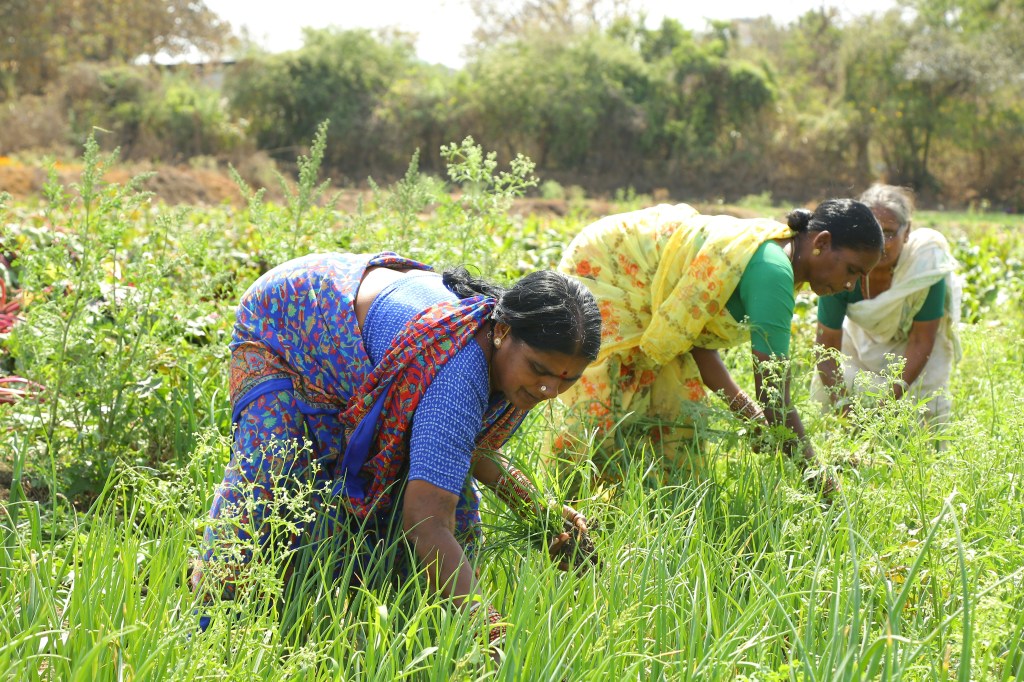
The AgriConnect platform aims to create more jobs and improve overall food security, by ensuring smallholder farmers have access to the resources needed to drive this transformation:
- Improved access to financing and insurance;
- Innovative digital and financial ecosystems;
- Affordable access to cutting-edge technology from large value-chain operators;
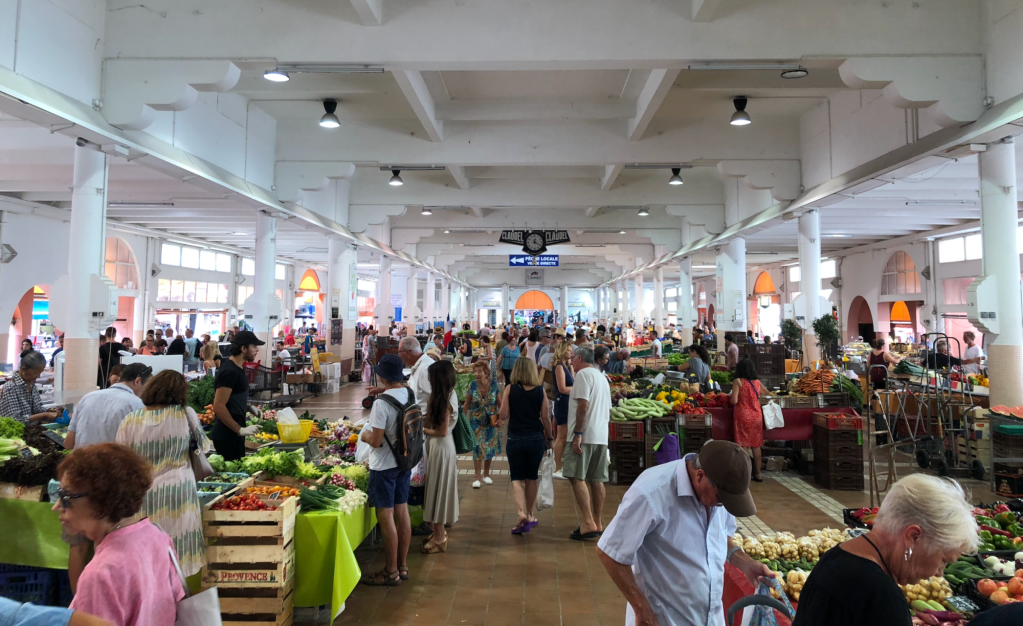
- Investment in infrastructure to expand the market opportunity for small farmers—both locally and internationally;
- Capacity building, education, and training, including in entrepreneurship and finance, for young people who will be flooding job markets in coming years;
- Support for value added products that move farmers up the food system value chain.
External resources
For more information about sustainable agriculture, climate resilient development needs and priorities, and cooperative financial innovation, visit these links:
